Septic Tank Problems: 7 Warning Signs and What to Do
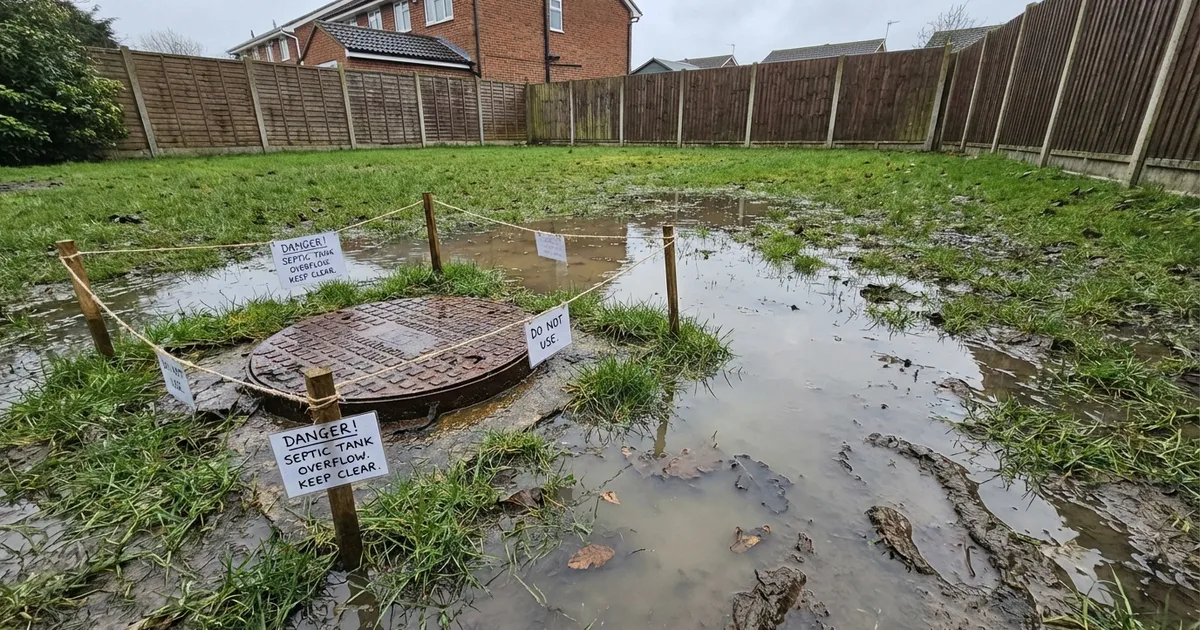
You wake up one morning and there's a sewage smell in the garden. Or the kitchen sink takes twice as long to drain as it did last month. Or there's a patch of suspiciously green grass right where the tank is buried.
These are not minor inconveniences. They are warnings. Every day you ignore a septic tank problem, the damage spreads further and the repair bill climbs higher. A tank that needed a simple emptying last month could need a full drainage field replacement by next quarter.
This guide walks through the seven warning signs that your septic system is failing, what causes each problem, how much repairs cost in 2026, and the exact steps to take when you spot trouble.
7 Warning Signs Your Septic Tank Has a Problem
These are listed roughly in order of severity, from early warnings to emergencies. If you recognise even one, act on it. If you recognise several, you likely have a serious issue that needs professional attention within days, not weeks.
1. Foul Smells Around Your Property
A working septic tank should not produce noticeable smells. If you can smell sewage, rotten eggs, or a sulphurous odour near the tank, around outdoor drains, or inside your home, something is wrong.
The smell comes from hydrogen sulfide (H2S) and methane, both produced as anaerobic bacteria break down waste inside the tank. In a properly functioning system, these gases vent safely through the soil or a dedicated vent pipe. When you can smell them, it means one of several things:
- The tank is full and needs emptying. Sludge has built up past the safe level, reducing the space for gases to disperse properly.
- A damaged or missing tank lid is letting gases escape directly into the air instead of venting through the proper channels.
- Blocked vent pipes are forcing gases back through your drains and into your home.
- The drainage field is failing, causing untreated effluent to surface and release gases at ground level.
Hydrogen sulfide is not just unpleasant. At high concentrations, it is toxic and can cause headaches, nausea, and respiratory irritation. If you notice a persistent sewage smell, do not wait for it to clear on its own.
2. Slow Draining Sinks, Baths, and Toilets
A single slow drain usually means a localised blockage in that pipe. But when every drain in the house is slow, the problem is almost certainly your septic system.
When the tank is full or the outlet is blocked, wastewater has nowhere to go. It backs up through the system, and every fixture in your home drains more slowly as a result. This is different from a clogged U-bend. You will notice it across multiple fixtures at the same time: the kitchen sink, the bathroom basin, the bath, and the toilet all draining sluggishly.
Common causes include:
- A tank that has not been emptied on schedule
- A blockage in the inlet or outlet pipe
- A failed or waterlogged drainage field that cannot accept any more effluent
- Flushing items that should never go into a septic system, such as wet wipes, cooking fat, or sanitary products
If your drains have been getting progressively slower over weeks or months, the problem is escalating. Arrange an inspection before the system backs up entirely.
3. Gurgling Sounds in Your Pipes
Gurgling or bubbling noises from your drains, toilets, or pipes are caused by air being displaced in the system. When a septic tank is too full, there is not enough room for air to flow normally through the drainage pipes. Water pushes against trapped air pockets, producing the distinctive gurgling sound.
You will typically hear it when you flush a toilet, run a tap, or drain a bath. The sound may come from a completely different fixture to the one you are using. If flushing the upstairs toilet produces gurgling in the downstairs kitchen sink, that is a strong indicator of a system-wide issue rather than a localised blockage.
Gurgling is an early warning. It usually appears before slow drains become obvious and well before sewage backs up. Treat it as a signal to book an inspection or emptying.
4. Standing Water or Wet Patches Over the Tank or Drainage Field
If you see pooling water, soggy ground, or persistently damp patches over your septic tank or drainage field, the system is not processing wastewater properly. Effluent is rising to the surface instead of soaking away through the drainage field as designed.
This happens for several reasons:
- The drainage field is saturated or clogged. Years of use, particularly if the tank has not been emptied regularly, can cause a biomat (a layer of organic sludge) to form and block the soakaway pipes.
- High water table or heavy rainfall. Extended wet weather can raise the groundwater level above the drainage field, preventing effluent from soaking away. The winters of 2024-2026 have been particularly wet, putting extra pressure on soakaway systems across the UK.
- Structural damage to the tank. Cracks in the tank walls or a collapsed baffle can allow untreated waste to flow directly into the drainage field, overwhelming it.
5. Sewage Backing Up Into Your Home
This is the most urgent sign on this list. If raw sewage is coming up through your toilets, shower drains, or floor drains, you have a full system failure that requires an emergency callout.
Sewage backup happens when the tank is completely full and the outlet is blocked or the drainage field has failed entirely. There is physically nowhere for the waste to go, so it reverses direction and comes back into your home through the lowest drains first.
What to do immediately:
- Stop using all water in the house. Do not flush toilets, run taps, or use the washing machine. Every litre of water you add makes the backup worse.
- Keep children and pets away from the affected area. Raw sewage contains harmful bacteria including E. coli, salmonella, and parasites.
- Call a registered waste carrier for an emergency tank emptying. Most companies offer same-day or next-day emergency callouts.
- Do not attempt to unblock the system yourself. Opening the tank or disturbing pipes without proper equipment and training is dangerous.
Emergency callouts typically cost £250–£500, significantly more than a scheduled emptying at £150–£300. But a sewage backup in your home can cause thousands of pounds in property damage and poses a serious health risk. Do not delay.
6. Lush, Green Grass Over the Drainage Field
This one catches many homeowners off guard. A strip of unusually thick, bright green grass directly above your drainage field looks harmless. It is not. It means nutrient-rich effluent is reaching the surface and fertilising the grass.
In a properly functioning system, effluent disperses deep enough in the soil that the grass above looks the same as the rest of your garden. When the drainage field is failing, effluent rises closer to the surface, delivering nitrogen and phosphorus directly to the grass roots. The result is a visible stripe of lush growth that stands out from the surrounding lawn.
This is a clear sign that your drainage field is not working as it should. It may be clogged, compacted, or damaged. Left unaddressed, the problem will progress from unusually green grass to standing water, surface effluent, and eventually a complete field failure that requires excavation and replacement.
7. High Nitrate Levels in Your Private Water Supply
This warning sign applies specifically to properties with a private water supply from a borehole or well. If your water test shows elevated nitrate levels, your septic system could be the source of contamination.
A failing septic tank or drainage field can leach nitrates into the groundwater. The Drinking Water Inspectorate recommends that boreholes and wells should be at least 50 metres from septic tanks. But if the system is failing, contamination can spread further than expected, particularly in areas with permeable soils or fractured rock.
If your annual water test shows nitrate levels rising, arrange a full septic system inspection. High nitrates in drinking water are a health concern, particularly for infants and young children. Your local council's environmental health team can advise on testing and treatment.
What Causes Septic Tank Problems?
Most septic tank problems trace back to one of six root causes. Understanding what went wrong helps you prevent it happening again.
Infrequent Emptying
This is the single most common cause of septic tank failure. When a tank is not emptied regularly, sludge accumulates at the bottom and a crust forms at the top. Eventually, the sludge level reaches the outlet pipe, sending solid waste into the drainage field and clogging it. Most domestic tanks need emptying every 12 to 24 months depending on household size.
Flushing the Wrong Things
Septic tanks rely on natural bacteria to break down organic waste. Anything that kills those bacteria or cannot be broken down biologically will cause problems. The worst offenders are:
- Wet wipes and sanitary products (even those labelled "flushable")
- Cooking fats, oils, and grease (solidify and form a crust that blocks the outlet)
- Bleach, antibacterial cleaners, and paint (kill the bacteria that process waste)
- Nappies, cotton buds, and condoms (do not break down at all)
For a complete list, see our guide on what not to put in a septic tank.
Damaged or Collapsed Tank
Older tanks, particularly those made from brick or concrete, can crack, collapse, or develop structural faults over time. Ground movement, tree root intrusion, heavy vehicles driving over the tank, or simple age can all cause damage. A cracked tank leaks untreated sewage into the surrounding soil and may allow groundwater to flood the tank, disrupting the treatment process.
Tree Root Intrusion
Tree roots are drawn to the moisture and nutrients around septic systems. Even a hairline crack in a pipe joint or tank wall is enough for a root to enter. Once inside, roots grow and thicken, blocking pipes, damaging baffles, and eventually breaking apart the tank structure. Trees within 10 metres of a septic system pose the highest risk. Willows, poplars, and ash trees are the most aggressive species for root spread.
Drainage Field Failure
The drainage field (also called the soakaway) is where treated effluent disperses into the ground. Over time, the soakaway pipes can become clogged with a biomat, the surrounding soil can become compacted, or the ground conditions can change. Heavy machinery driving over the field, building extensions above it, or planting deep-rooted shrubs all accelerate failure. Once the drainage field fails, it usually needs partial or full replacement.
Hydraulic Overload
Septic tanks are sized for a specific daily flow. If you add a bathroom, take in lodgers, or run multiple water-heavy appliances simultaneously, you can exceed the tank's capacity. When more water enters the tank than it can process, waste passes through too quickly without proper treatment. Excess water also floods the drainage field faster than the ground can absorb it.
What to Do When You Spot a Problem
The right response depends on how severe the symptoms are. Here is a practical decision framework.
Immediate Actions (Do These Now)
- Reduce water usage. Every litre of water you send to a struggling septic system makes the problem worse. Avoid running the dishwasher and washing machine until the issue is diagnosed.
- Check the obvious. Is the tank cover intact? Is there standing water visible? Can you identify where the smell is coming from? This information helps the professional when they arrive.
- Stop flushing anything except toilet paper. No wipes, no kitchen waste, no chemicals.
When to Book a Routine Inspection
Book within the next 1-2 weeks if you have noticed:
- Mild smells that come and go
- Drains that are slightly slower than usual
- Occasional gurgling sounds
- Unusually green grass over the drainage field
A routine inspection costs £100–£200 and can identify problems before they escalate.
When to Call for an Emergency
Call today if you are experiencing:
- Sewage backing up into your home
- Sewage visible on the surface of your land
- Strong, persistent sewage smell that will not go away
- Standing water rising around the tank or drainage field
Most registered waste carriers offer emergency callouts for same-day or next-day service. Yes, it costs more than a scheduled visit. But the cost of not acting is far higher: property damage, health risks, and potential enforcement action from the Environment Agency.
Choosing the Right Professional
For any septic tank work, use a company that holds a valid Upper Tier waste carrier registration with the Environment Agency (or SEPA in Scotland, NRW in Wales). This is a legal requirement. An unregistered operator cannot legally transport or dispose of your waste.
For structural repairs, drainage field work, or tank replacement, you will need a specialist septic tank engineer or drainage contractor, not just a general plumber. Ask for references, check their registration, and get at least two written quotes before committing to major work.
Septic Tank Repair Costs in 2026
Repair costs vary enormously depending on the type and severity of the problem. Here are the most common repairs and their typical UK costs in 2026:
| Repair Type | Cost Range | Notes |
|---|---|---|
| Pipe clearing / unblocking | £150–£300 | High-pressure jetting to clear blocked inlet or outlet pipes |
| Baffle repair or replacement | £200–£400 | Damaged baffles let solids escape into the drainage field |
| Tank lid replacement | £200–£350 | Cracked or missing lids let in rainwater and release gases |
| Pump replacement | £300–£500 | For pumped systems where the pump has failed |
| Dip pipe replacement | £150–£300 | Broken dip pipes allow scum to block the outlet |
| CCTV drain survey | £150–£350 | Camera inspection to diagnose root intrusion or pipe damage |
| Root cutting / removal | £200–£500 | Mechanical root cutting inside pipes |
| Tank structural repair | £500–£2,500 | Patching cracks or rebuilding damaged sections |
| Full tank replacement | £4,000–£7,000 | Excavation, removal, and installation of a new tank |
| Drainage field replacement | £5,000–£15,000+ | Full excavation and installation of new soakaway. Cost depends heavily on ground conditions and field size |
These costs are for the work itself and do not include the cost of an initial emptying (typically £150–£300), which is almost always required before any repair work can begin.
The difference between catching a problem early and leaving it is stark. A blocked pipe caught at the gurgling stage costs £150 to clear. That same blocked pipe, left for six months until it causes a drainage field failure, can cost £10,000 or more to put right.
How to Prevent Septic Tank Problems
Prevention is dramatically cheaper than repair. A well-maintained septic tank can last 20 to 40 years without major problems. Here is the maintenance schedule that keeps your system running properly.
Empty Your Tank on Schedule
Most domestic septic tanks need emptying every 12 to 24 months. Set a calendar reminder. Do not wait for symptoms to appear before booking. By the time you notice slow drains or smells, the damage may already be spreading to the drainage field.
Watch What Goes Down the Drain
Your septic tank is a biological treatment system, not a bin. Protect the bacteria that do the work by keeping the following out of your drains:
- Wet wipes (even "flushable" ones)
- Cooking oil, fat, and grease
- Bleach and antibacterial products (use sparingly)
- Paint, solvents, and pesticides
- Nappies, sanitary products, and cotton buds
- Food waste and coffee grounds
For the complete list, read our guide: what not to put in a septic tank.
Book an Annual Inspection
An annual professional inspection checks sludge depth, baffle condition, tank structure, and drainage field performance. It costs £100–£200 and catches problems at the cheap-to-fix stage. Keep the written report. Under the General Binding Rules, you need to demonstrate that your system is properly maintained.
Protect Your Drainage Field
- Never drive or park vehicles on it. Heavy loads compact the soil and crush the soakaway pipes.
- Do not build or pave over it. The ground above the field needs to breathe.
- Keep trees at a safe distance. Plant new trees at least 10 metres away from the drainage field. Remove any saplings or shrubs growing over the soakaway.
- Divert surface water away. Rainwater from gutters, driveways, or land drains should never flow into your septic system or over the drainage field.
Manage Your Water Usage
Spreading water usage throughout the day is better for your septic system than sending large volumes in short bursts. Avoid running the dishwasher, washing machine, and bath simultaneously. Fix leaking taps and running toilets promptly. A single leaking toilet can add hundreds of litres per day to your system.
Frequently Asked Questions
What are the signs of a full septic tank?
The most common signs of a full septic tank are foul sewage smells around the tank or drains, slow-draining sinks and toilets, gurgling sounds in your pipes, standing water or wet patches over the tank area, and sewage backing up into your home. If you notice any of these, arrange an emptying immediately.
Why does my septic tank smell?
Septic tank smells are caused by hydrogen sulfide and methane gases produced as bacteria break down waste. Common causes include a tank that needs emptying, a damaged or missing tank lid, blocked ventilation pipes, a failed drainage field, or disrupted bacteria from flushing chemicals or antibacterial products. If the smell persists after emptying, call a professional to inspect the system.
How much does it cost to fix a septic tank?
Septic tank repair costs in the UK range from £150 for simple pipe clearing to £15,000 or more for a full drainage field replacement. Common repairs include pump replacement (£300–£500), baffle repair (£200–£400), and pipe clearing (£150–£300). A full tank replacement costs £4,000–£7,000. Costs vary by region, with the South East being the most expensive.
Can a septic tank overflow?
Yes. A septic tank can overflow if it is not emptied regularly, if the drainage field has failed, if heavy rainfall saturates the ground around the system, or if there is a blockage in the outlet pipe. An overflowing septic tank is a health hazard and an environmental offence. Reduce water usage immediately and call a registered waste carrier for emergency emptying.
How often should I have my septic tank inspected?
You should have your septic tank professionally inspected at least once a year. An annual inspection checks sludge levels, the condition of baffles and dip pipes, the tank structure, and the drainage field performance. Most inspections cost £100–£200 and can identify problems before they become expensive emergencies.
Need a Registered Septic Tank Company?
Every company in our directory is verified against the official EA Waste Carrier Register. Find a professional near you for routine maintenance or emergency callouts.
Search the Directory